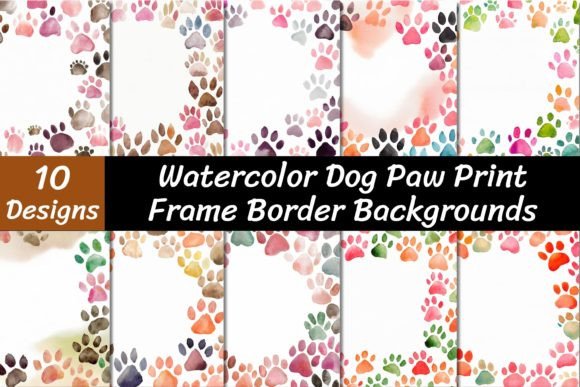
Unleashing Creativity with Watercolor Dog Paw Print Backgrounds
There is a specific warmth that watercolor textures bring to digital design, a softness that synthetic graphics often lack. When you combine that organic, bleeding-edge aesthetic with the universal symbol of pet companionship—the paw print—you get a design asset that resonates immediately. Watercolor Dog Paw Print Backgrounds offer a blend of artistic flair and thematic clarity that is surprisingly versatile. This collection isn't just a set of repeating patterns; it is a toolkit for injecting personality into projects that need to feel approachable, playful, or heartfelt. Whether you are a seasoned graphic designer or a small business owner dabbling in DIY marketing, understanding how to leverage these assets can significantly elevate your output.
The Visual Appeal of Organic Texture
The core strength of these backgrounds lies in their visual texture. Unlike flat, vector-based patterns, the watercolor style introduces subtle variations in tone and saturation. The ink bleeds slightly outside the lines, mimicking the unpredictable nature of paint on paper. This creates a sense of authenticity and "handmade" quality that modern consumers often gravitate toward. The paw prints themselves aren't sterile icons; they carry the weight of the brushstroke, giving them a whimsical, artistic personality.
These files are designed as premium digital papers, measuring 3600 x 3600 pixels at 300 DPI. This specification is crucial for anyone working in print. It ensures that whether you are creating a full-page background for a magazine spread or a small sticker for a planner, the resolution remains crisp. There is no pixelation, only the intended softness of the watercolor effect. This high resolution makes them suitable for commercial-grade packaging design and editorial design, where image quality cannot be compromised.
Strategic Applications for Brands and Creators
For professionals in the pet industry, these backgrounds are a natural fit, but their utility extends further. The aesthetic works well for any brand that wants to communicate friendliness, care, or a connection to nature.
- Pet Service Branding: Groomers, dog walkers, and veterinary clinics can use these backgrounds for loyalty cards, appointment reminders, and social media headers. The watercolor style softens the clinical feel often associated with medical or service businesses.
- Content Creation and Blogging: If you run a pet blog or a lifestyle site featuring pets, these graphics serve as excellent "text breakers." Using a subtle paw print border can frame a quote or highlight a specific section of an article without distracting from the readability of the web design.
- Physical Products: Crafters and Etsy sellers can utilize these files for packaging design. Imagine a tissue paper wrap for a boutique dog treat brand or the backing card for a handmade pet collar. The texture adds perceived value to the product.
- Social Media Graphics: In the fast-scrolling environment of Instagram or Pinterest, a textured background stops the thumb. These files work exceptionally well behind bold typography. Because the background is busy but soft, it pairs best with clean sans serif fonts to ensure the message remains legible.
Design Mechanics: Pairing and Hierarchy
Working with textured backgrounds requires a different approach than working with solid colors. The primary challenge is maintaining visual hierarchy and readability. A background should support the content, not compete with it.
When selecting typography to pair with Watercolor Dog Paw Print Backgrounds, contrast is your best friend. Avoid script fonts or overly intricate handwritten fonts for body text, as they will get lost in the texture. Instead, opt for a sturdy serif font or a geometric sans serif font for headlines. The clean lines of modern typography will cut through the watercolor noise effectively.
Consider the "frame" aspect of these assets. Many of the included files feature border designs. This is a strategic layout tool. By placing your main content in the center, which is often lighter or white, and allowing the paw prints to gather at the edges, you create a natural focal point. This technique draws the viewer's eye inward, improving engagement with your logo design or call-to-action.
Evaluating Fit and Technical Setup
Before downloading, it is helpful to evaluate if this specific style fits your brand identity. If your brand is ultra-modern, minimalist, and strictly monochromatic, a colorful watercolor paw print might clash. However, if your brand voice is warm, community-focused, or playful, these assets are a strong match.
Technically, you need to ensure your workflow can handle the files. Since these assets are delivered as zipped folders, you will need extraction software like WinZip or WinRAR. Once unzipped, the JPEG files can be imported into virtually any design software, from Adobe Photoshop and Illustrator to Canva and Procreate. Because they are 300 DPI, they are ready for print immediately, but if you are using them for web design, you may want to optimize the file size to ensure fast page loading speeds.
Maximizing the Collection
The value of a digital asset pack lies in its variety. With ten distinct digital papers included, you have the flexibility to create a cohesive campaign without looking repetitive. You can assign specific patterns to different content pillars—for example, one color palette for "Tips" posts and another for "Testimonials."
Don't limit yourself to digital use. These backgrounds are excellent for physical stationery. Printing them on cardstock creates unique scrapbook pages, custom wrapping paper, or even framed art for a pet-themed room. The high resolution ensures that even on large format prints, the brushstrokes remain defined and artistic.
Ultimately, Watercolor Dog Paw Print Backgrounds are more than just decoration; they are a bridge between professional polish and personal charm. By treating these files as strategic design assets rather than just "pretty pictures," you can create materials that connect with your audience on an emotional level, driving both recognition and loyalty for your brand or project.