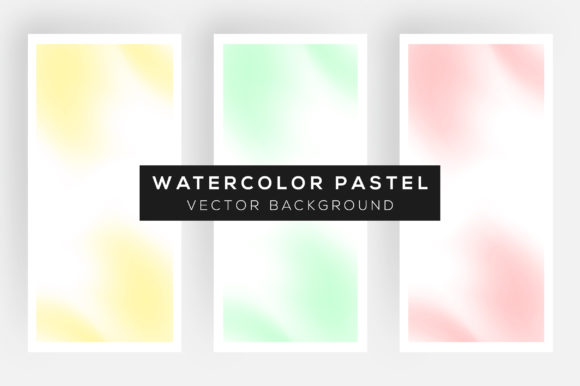
Unlocking Gentle Aesthetics with 3 Watercolor Pastel Vector Backgrounds
When you are working on a design project that demands a specific mood, finding the right background is half the battle. If your goal is to create something that feels approachable, organic, and emotionally resonant, you need more than just a solid color fill. This is where the 3 Watercolor Pastel Vector Backgrounds collection comes into play. It offers a distinct visual language defined by soft washes, fluid shapes, and a gentle color palette. Unlike standard raster images, this design asset is provided in vector format, giving you the flexibility to scale your artwork infinitely without losing quality.
The Visual Language of Pastel and Water
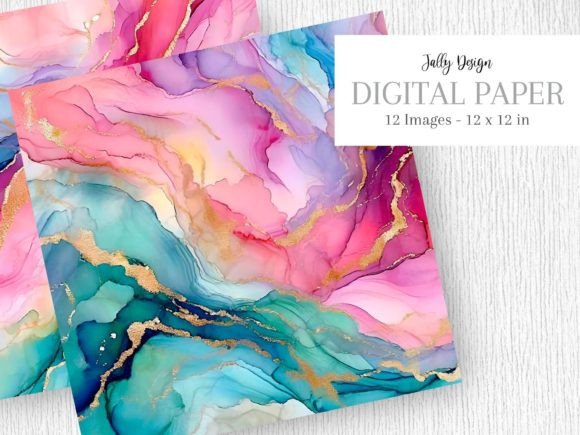
The core appeal of this collection lies in its ability to mimic traditional paint techniques while maintaining the precision of digital design. The visual characteristics are unmistakable: you see the texture of ink bleeding into paper, the unpredictable nature of a watercolor stain, and the soft edges of a brush stroke. However, because this is a vector file, those organic elements are cleaned up and optimized for modern usage.
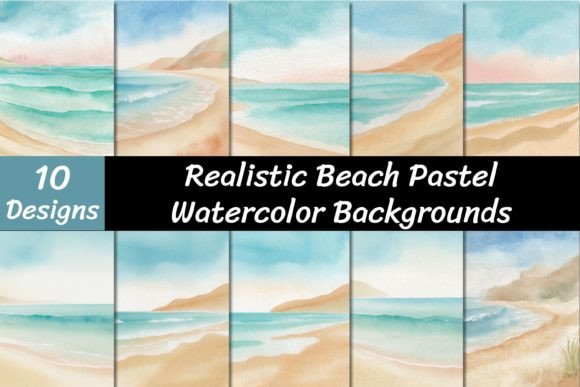
The color palette focuses on pastel tones. We are talking about soft pinks, muted greens, and gentle lavenders that blend seamlessly into one another. These are not harsh, neon colors; they are sophisticated, light hues that evoke a sense of calm. The gradient transitions are smooth, moving from one shade to another in a way that feels like a natural liquid dispersion. This creates a backdrop that is colorful but not overwhelming. It is the perfect balance for designs that need personality without sacrificing readability.
Why Vector Matters for Backgrounds
As a designer, you know the frustration of finding the perfect watercolor texture only to realize it is a low-resolution JPEG. When you try to scale it for a large poster or a banner, it pixelates. The 3 Watercolor Pastel Vector Backgrounds solve this issue completely. Because they are delivered in EPS format, they are mathematically defined shapes rather than pixels.
This means you can take a single abstract shape from the collection and stretch it to cover a billboard, or shrink it down for a business card, and the edges will remain crisp. The stroke quality and the grunge textures—those little imperfections that make watercolor look realistic—are preserved at any size. This versatility makes them a premium asset for any creative professional’s toolkit.
Practical Applications: Where Art Meets Strategy
The true value of a design asset is measured by how often you can use it. The versatility of these watercolor backgrounds allows them to fit into a wide variety of projects. Here is how you can apply them effectively:
- Branding and Logo Design: For businesses in the wellness, beauty, or lifestyle sectors, a soft watercolor background can add a human touch to a digital brand. It softens the corporate feel and makes the brand feel more accessible. You can use these as a frame for your logo or as a wash behind marketing copy.
- Publishing and Editorial: If you are designing a magazine cover or a book interior, these backgrounds provide excellent depth. They work particularly well for vintage or retro-themed layouts. The artistic quality of the ink washes adds texture that flat colors cannot achieve.
- Digital Marketing and Social Media: On platforms like Instagram or Pinterest, visual noise is high. A bright yet soft pastel background helps your content stand out. It is ideal for quote graphics, sale announcements, or story backgrounds. The square composition makes them easy to crop for social feeds.
- Packaging Design: Product packaging needs to convey the essence of the item inside. For handmade goods, stationery, or artisanal foods, a watercolor texture suggests craftsmanship and care. It mimics the look of acrylic or paint on paper, which resonates with customers looking for authentic products.
Incorporating Color and Texture into Your Workflow
Using these backgrounds effectively requires a bit of strategy regarding color theory and hierarchy. Since the backgrounds feature liquid blends and splash effects, they are inherently busy. To maintain a professional look, you need to ensure your foreground elements contrast well.
For example, if you are using a light blue and pink wash, place dark, bold typography over it to ensure legibility. Alternatively, you can use the backgrounds as a frame or border, leaving the center of the design relatively clear for text. This creates a vignette effect that draws the eye inward.
Another technique is layering. Because these are vector files, you can easily manipulate the opacity. Lowering the opacity of the background can turn a vibrant summer palette into a subtle, whisper-like texture suitable for minimalist designs. You can also combine different elements from the pack—perhaps using one shape for the header and another for the footer—to create a cohesive artistic theme throughout a multi-page document.
Evaluating Fit for Your Project
Before committing to a style, consider the personality of your project. The 3 Watercolor Pastel Vector Backgrounds lean heavily into a gentle, organic, and somewhat feminine aesthetic. They are perfect for wedding invitations, baby shower announcements, spring marketing campaigns, and beauty blogs.
However, if you are working on a project that requires a strictly industrial, aggressive, or ultra-modern tech look, these might not be the primary choice. That said, even in corporate settings, a subtle watercolor texture can be used to soften a presentation or an internal newsletter, adding a touch of humanity to a sterile environment.
Technical Considerations: Working with EPS Files
It is important to note the technical requirements for this asset. The files are provided in EPS format, which is a standard for high-quality vector graphics. To edit these files fully—changing colors, resizing specific brush strokes, or altering the gradient maps—you will need software that supports vector editing.
Adobe Illustrator is the industry standard for this. Opening the file in Illustrator allows you to ungroup elements, edit anchor points, and customize the color palette to match your specific brand guidelines. While some other software can open EPS files, full editability is usually best achieved in a professional vector environment.
If you are not looking to edit the files but simply use them as a static backdrop, you can often place them into layout software like InDesign or Canva as a linked image. However, for the best results and maximum flexibility, diving into the vector source files is recommended.
Final Thoughts on Design Assets
Building a library of high-quality design assets is an investment in efficiency. Having a set of reliable, beautiful backgrounds like this collection saves hours of time that might otherwise be spent trying to create similar effects from scratch or searching for royalty-free images that fit the bill.
The 3 Watercolor Pastel Vector Backgrounds offer a blend of traditional art aesthetics and modern digital convenience. They provide a vibrant yet gentle foundation for a wide range of creative work. Whether you are designing a poster for a local fair, crafting a logo for a new startup, or simply adding some flair to a personal blog, these assets provide the quality and versatility needed to elevate your visual communication. By understanding how to manipulate the vector elements and pair them with the right typography, you can create designs that feel both professional and deeply personal.