Tree Rings Backgrounds: Nature's Timeless Design Asset
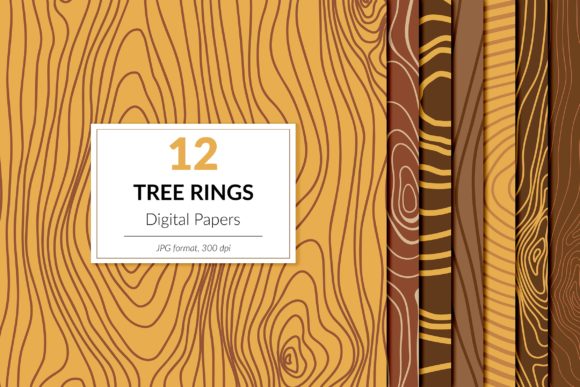
There's something deeply satisfying about the organic patterns found in wood. The concentric circles of a tree trunk tell a story of growth, seasons, and resilience. This natural beauty is precisely what makes Tree Rings Backgrounds such a compelling resource for creatives. Instead of a digital font, we're looking at a texture pack that offers a direct connection to the natural world. This collection provides 12 high-resolution images, each capturing the unique character of tree rings. At 12x12 inches and 300 dpi in JPG format, these assets are built for serious design work, from large-scale prints to detailed digital projects.
The Visual Character and Versatile Appeal
Each image in this pack is a study in organic geometry. The rings vary in definition, color, and spacing, offering a range from subtle, weathered wood grains to more pronounced, dramatic patterns. The overall aesthetic is earthy, authentic, and grounded. It avoids the sterile perfection of digital gradients, instead introducing natural imperfections and variations that add depth and tactile interest. This isn't just a background; it's a foundational layer that can evoke feelings of warmth, history, sustainability, and craftsmanship.
The appeal of such a texture lies in its versatility. For a designer working on a brand identity, these tree rings can instantly communicate values like heritage, eco-consciousness, or artisanal quality. A marketer creating social media graphics can use them as a backdrop to make product photography stand out with a rustic, authentic vibe. In publishing, an editor might use a subtle wood texture as a chapter header or page border to enhance the reader's sensory experience. The Tree Rings Backgrounds pack serves as a fundamental design asset, much like a versatile serif font or a clean sans serif font in a typographer's toolkit.
Strategic Applications Across Creative Projects
Understanding where to deploy these backgrounds effectively is key to maximizing their value. Their strength lies in projects where texture, mood, and authenticity are paramount.
- Branding and Logo Design: For businesses in eco-tourism, woodworking, organic food, or boutique coffee shops, a tree ring texture can become a core part of the visual identity. It can be used as a subtle overlay on business cards, packaging, or website headers to reinforce a brand's connection to nature and timelessness.
- Editorial and Packaging Design: In magazine layouts or book covers, these textures work beautifully as section dividers or background elements for pull quotes. For product packaging—think artisanal soaps, candles, or specialty foods—a wood grain background adds a layer of perceived quality and care that resonates with consumers.
- Digital and Web Design: While caution is needed for readability, a faintly applied tree ring texture can add warmth to a website's hero section or a podcast's cover art. It pairs exceptionally well with clean modern typography. Use it behind a bold display font for a headline, ensuring there's enough contrast for the text to remain legible.
- Personal and Commercial Crafts: The applications extend beyond professional design. Hobbyists and crafters can use these high-resolution images for scrapbooking, custom stationery, or as a base for digital art prints. The commercial license allows small business owners to incorporate them into products for sale, such as printed tote bags, posters, or digital planners.
Practical Guidance for Implementation and Pairing
Choosing to use a texture like Tree Rings Backgrounds is the first step. Implementing it effectively requires a thoughtful approach to design principles.
Evaluating Fit and Readability: Always consider the project's primary goal. Is it to inform, sell, or inspire? A busy, high-contrast tree ring pattern might overwhelm a data-heavy infographic but could be perfect for an event poster. The most critical test is readability. Place your text over the texture at the intended size. If it's hard to read, you need to adjust. Common solutions include adding a semi-transparent color overlay, placing text within a solid-colored box, or using a very bold or condensed typeface that can hold its own against the texture.
Mastering Font Pairings: The right font pairing can elevate your design. The organic nature of wood textures often benefits from contrast. Try pairing a rugged texture with a clean, geometric sans serif font for a modern, balanced look. Alternatively, combine it with a classic serif font to amplify a sense of tradition and elegance. For a more thematic approach, a handwritten font or script font can work, but use it sparingly for headlines to maintain clarity. The key is to let the texture and the typography support each other without competing.
Technical Considerations: The provided files are 300 dpi JPGs, making them ideal for print projects where resolution is critical. For web use, you'll likely need to optimize the file size without sacrificing too much quality to ensure fast page loading. When using these in a layout, consider how you'll crop or scale them. The 12x12 inch square format is flexible, but for a website banner, you may need to tile the image or use only a portion of it. Always keep your original files unedited and work on copies to preserve your options.
Ultimately, the Tree Rings Backgrounds pack is more than just a set of images. It's a tool for adding narrative, emotion, and a tangible sense of the natural world to your creative projects. By understanding its visual language and applying it with strategic intent, you can create designs that are not only beautiful but also deeply resonant with your audience. Whether you're building a brand identity, designing social media graphics, or crafting a personal project, this resource offers a direct line to the enduring beauty of nature.