Timeless Texture: Using Vintage Notebook Backgrounds in Design
There’s a reason why vintage notebook backgrounds never really go out of style. In a digital world saturated with clean lines and perfect gradients, the tactile, imperfect charm of an old journal page offers something different—a sense of history, warmth, and human touch. It’s a texture that feels familiar, almost comforting, evoking memories of handwritten notes, sketches, and ideas captured in haste. For designers and creators, these backgrounds are more than just a visual element; they’re a powerful tool for storytelling and connection.
What Exactly Are These Vintage Notebook Backgrounds?
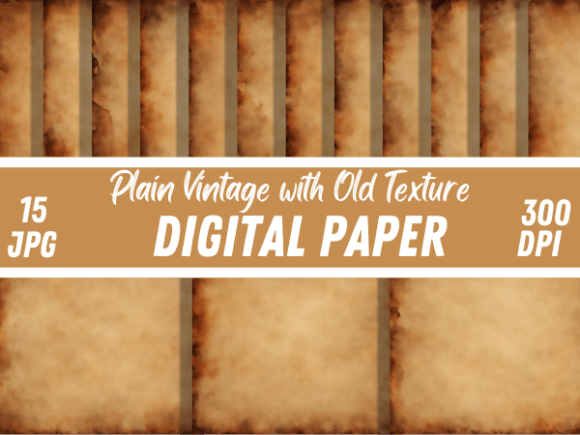
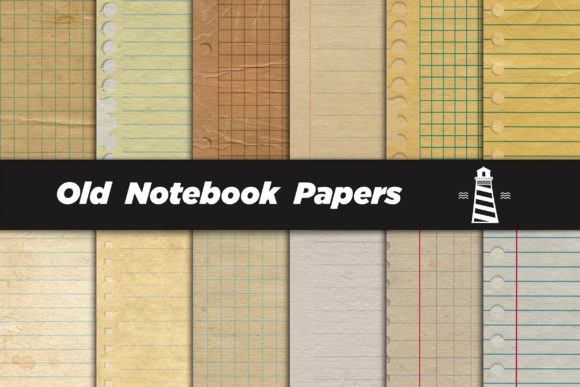
Imagine the paper in a well-loved journal: slightly yellowed with age, perhaps with faint ruled lines or a subtle grid pattern, soft creases, and the occasional coffee stain or ink bleed. The vintage notebook backgrounds in this collection capture that exact aesthetic. Each file is a high-resolution JPG at 300 dpi, sized at a generous 12 x 12 inches. This format is ideal for both digital and print projects, offering crisp detail and ample space for layout. The personality of these assets is authentically aged, not artificially distressed. They have a quiet, intellectual appeal—think of a scholar’s desk or a writer’s sanctuary. This isn’t a flashy, modern aesthetic; it’s a grounded, nostalgic one that adds depth and context to any project.
Where This Aesthetic Truly Shines: Practical Applications
The versatility of a good creative font or texture is in its ability to adapt. These backgrounds are no exception. Their applications span the entire creative spectrum, making them a valuable part of any designer's toolkit.
- Branding & Marketing: For small businesses, especially those in artisanal crafts, publishing, coaching, or vintage retail, these textures can become a core part of the brand identity. Use them as a background for your logo, on your website's "About" page, or in social media graphics to instantly convey authenticity, tradition, and a personal touch. They work beautifully for creating cohesive packaging design inserts or thank-you cards.
- Publishing & Editorial Design: This is where the backgrounds feel most at home. They are perfect for book covers in historical fiction, memoirs, or poetry collections. Use them as a base for chapter pages, author bios, or pull quotes in editorial design to add a layer of tactile realism. Bloggers and content creators can use them as a backdrop for quote graphics or featured images to stand out in a crowded feed.
- Digital & Web Design: In web design, a subtle notebook texture can break the monotony of flat color, adding visual interest without sacrificing readability. Think of using it in a website header, a sidebar, or as a background for a testimonial section. For digital products like planners, worksheets, or online course materials, it provides a familiar, "analog" feel that can make digital content feel more substantial and valuable.
- Personal & Craft Projects: The applications here are endless. Scrapbookers, journalers, and crafters can use these files as a base for digital collage, printed inserts for planners, or unique photo backdrops. They’re also excellent for creating personalized stationery, invitation suites, or memorial projects that require a touch of timeless elegance.
The Strategic Impact: Beyond Just Looking Nice
Choosing a design asset isn't just about aesthetics; it's about strategy. The right texture influences how your audience perceives your work and your brand.
Visual Hierarchy & Readability: A vintage notebook background can actually improve focus when used correctly. By providing a textured, low-contrast base, it allows foreground elements—like your headline text, a product image, or a call-to-action—to pop. The key is contrast. Pair these busy backgrounds with clean, highly legible typography. A strong sans serif font or a classic, sturdy serif font will maintain clarity. Avoid overly ornate or script fonts for body text over these textures; save them for accents where legibility is less critical.
Brand Perception & Consistency: Consistency is the bedrock of recognition. If you integrate these backgrounds into your visual language, they become a recognizable signature. They signal a brand that values history, craftsmanship, and thoughtful detail. This can build trust and emotional resonance with an audience that appreciates substance over fleeting trends. It positions you as a curator, not just a creator.
Audience Engagement: In a scroll-stopping world, texture creates pause. The organic, imperfect quality of an old journal page is inherently intriguing. It invites the viewer to look closer, to wonder about the story behind the image. This micro-engagement can be the difference between being scrolled past and being remembered.
A Practical Guide to Working With These Files
To get the most out of this collection, think like a strategist, not just a decorator.
- Evaluate Project Fit: Ask yourself: Does this project call for warmth, nostalgia, or authenticity? A tech startup's sleek app launch probably isn't the right fit. A memoir author's book launch, a baker's new recipe blog, or a coach's reflective journal prompt? Perfect.
- Test Font Pairings Relentlessly: This is non-negotiable. The texture is the star; your type should support it, not compete with it. Try pairing a bold, modern display font for headlines with a simple, readable body copy font. Test combinations on the actual background. Does the text remain legible at a glance? If not, adjust the color, add a subtle shadow, or place it on a semi-transparent shape.
- Review Your Style Options: With 12 files, you have variety. Some might have stronger ruled lines, others more prominent stains or aging. Don't default to the same one every time. Different projects or sections of a project (e.g., different chapters of a book) can use different but stylistically cohesive backgrounds from the set.
- Consider the Commercial License: These are premium design assets. Understand the license. Most licenses for such assets allow for use in unlimited personal and commercial projects for you or your clients, but you typically cannot resell the files themselves. Clarify this if you're using them for client work to ensure full compliance.
- Embrace the Context: The most powerful use of these backgrounds is when they complement your content's subject matter. Using a vintage notebook texture for a article about modern web design trends creates an interesting juxtaposition. Using it for a piece on historical letterpress techniques? That’s a seamless, powerful match.
In the end, vintage notebook backgrounds offer a bridge between the digital and the tangible. They provide a shortcut to visual storytelling, imbuing your projects with a layer of meaning and history that flat colors simply cannot achieve. By applying them thoughtfully and strategically, you can create work that feels not only beautiful but also deeply human and resonant.