Denim Texture Backgrounds: Authentic Fabric Backdrops
There's a reason denim never goes out of style. That familiar woven texture, those subtle variations in indigo, the way light catches on worn threads—it carries a sense of authenticity that's hard to manufacture. When you bring denim texture backgrounds into your design work, you're tapping into that same lived-in quality. These aren't sterile digital patterns trying to look real. They're high-resolution captures of actual fabric, complete with the imperfections and character that make denim so visually compelling.
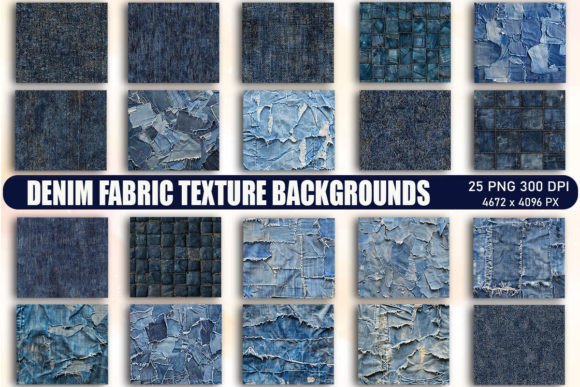
The collection includes 25 PNG files at approximately 4672 x 4096 pixels with 300 DPI resolution. That's serious detail—enough to print large-format banners without a hitch or use them as full-screen web backgrounds that still look crisp on retina displays. Whether you're after pristine blue jeans fabric texture backdrops or distressed denim patterns with frayed edges and faded patches, there's range here that covers both polished and gritty aesthetics.
What Makes These Textures Work So Well
Denim sits in a unique visual space. It's casual but not sloppy. It's rugged but surprisingly versatile. The weave pattern creates natural visual interest without overwhelming whatever you layer on top of it. That's what makes denim textile backgrounds useful across so many different project types—they provide texture and depth while staying out of the way of your content.
The distressed denim patterns in this set are particularly effective. They carry visible signs of wear—fading around fold lines, slight fraying at edges, areas where the fabric has thinned. These details communicate something specific: authenticity, history, real-world use. For a brand trying to project reliability or a no-nonsense personality, these textures do heavy lifting without a single word of copy.
Then you have the cleaner options. Solid blue denim backgrounds with even coloring and minimal distressing. These work beautifully when you need that textile quality without the vintage vibe. Think product photography backdrops, clean social media templates, or editorial layouts where the texture adds warmth without competing with headlines and imagery.
Where Denim Backgrounds Fit Into Real Projects
Let's get practical. Here's where denim fabric textures genuinely earn their place in a designer's toolkit:
- Brand Identity and Logo Design: If you're building a brand around craftsmanship, outdoor lifestyle, workwear, or casual authenticity, denim textures reinforce that positioning. They work as background elements in mood boards, presentation decks, and brand guidelines. A logo set against a subtle denim backdrop immediately tells a different story than the same logo on plain white.
- Social Media Graphics: Instagram posts, Facebook covers, Pinterest pins—these platforms reward visual texture. A blue jeans fabric texture backdrop behind a quote graphic or promotional announcement stops the scroll in a way that flat color backgrounds simply can't. The key is using enough texture to create interest without making text hard to read.
- Packaging Design: For artisan products, handmade goods, or anything with a rustic or casual positioning, denim textures on labels, hang tags, and box designs create an immediate tactile impression. Even in digital mockups, the texture signals quality and care.
- Editorial and Web Design: Blog headers, magazine layouts, website hero sections—frayed denim material texture adds personality to editorial content. Lifestyle blogs, fashion publications, and music-related sites especially benefit from this kind of visual language.
- Print Projects: Invitations, greeting cards, scrapbooking, event banners. The 300 DPI resolution means these textures print cleanly at any reasonable size. For craft projects or party supplies with a casual or western theme, they're immediately useful.
Working With Texture: Practical Considerations
Texture in design is powerful, but it demands thoughtful execution. A few things worth keeping in mind when working with denim texture backgrounds:
Readability comes first. Dark denim with visible weave can swallow small text. If you're overlaying body copy, consider adding a semi-transparent layer between the texture and your type. Light text on dark denim works well for headlines, but longer passages need breathing room. Alternatively, use the texture in areas that don't carry critical information—sidebars, header bands, footer sections.
Color matters more than you'd think. Denim isn't just blue. The distressed patterns in this collection range from deep indigo to washed-out grey-blue. Match the tone to your project's color palette. A heavily faded denim backdrop pairs differently with warm earth tones than a rich, dark version does. Test combinations before committing.
Scale and cropping change everything. Because these files are large—roughly 4672 x 4096 pixels—you have room to zoom in and crop specific sections. A tight crop on a frayed edge creates an abstract texture that barely reads as denim. Pulling back to show the full weave pattern makes the fabric identity unmistakable. Same file, completely different visual impact.
File format and delivery. The collection arrives as PNG files in a ZIP archive. PNG format preserves the detail and transparency options, which is exactly what you want for design assets like these. Just make sure you know how to extract ZIP files on your system before purchasing. These are not SVG or layered cutting files—they're raster textures meant for background use in design software, not for vinyl cutters or CNC machines.
Resizing flexibility. The high resolution gives you freedom to scale these textures up or down depending on your project. Need a small texture patch for a business card? Scale it down without losing quality. Want to cover a large printed banner? The resolution holds up. Just remember that extreme upscaling will eventually show limitations, so work within reasonable bounds.
Matching Texture to Audience and Message
Every design choice communicates something. Denim backgrounds aren't neutral—they carry associations. American heritage. Working-class roots. Rebellion and counterculture. Comfort and familiarity. Before dropping a denim textile background into your project, consider whether those associations align with your message.
For a craft brewery's tap room menu, denim texture makes perfect sense. For a luxury law firm's annual report, probably not. Context determines whether texture enhances or undermines your design goals. The best designers treat backgrounds not as decoration but as communication—and denim communicates loudly.
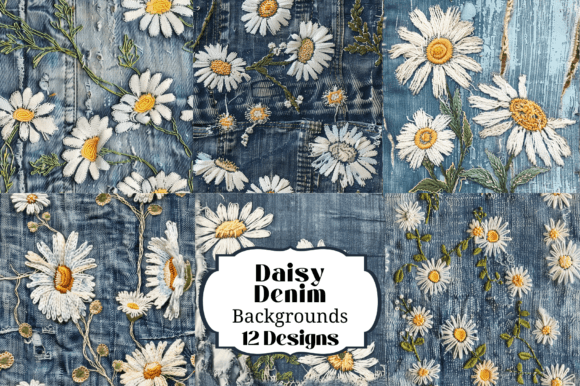
That said, the range within this collection gives you options. Clean, even-toned denim reads as modern and approachable. Heavily distressed patterns feel vintage and rugged. Blue jeans fabric texture backdrops with visible stitching or pocket details add a specific, recognizable quality that works for fashion-adjacent projects. Choosing the right variation within the set is just as important as deciding to use denim at all.
These design assets from Lazysun give you a solid foundation for projects that need textile warmth and visual authenticity. Twenty-five variations means enough range to handle different moods without resorting to the same texture everywhere. Use them thoughtfully, pair them with clean typography, and let the fabric do what fabric does best—add character that flat color never could.