Tranquil Hues Backgrounds: A Foundation for Calm, Professional Design
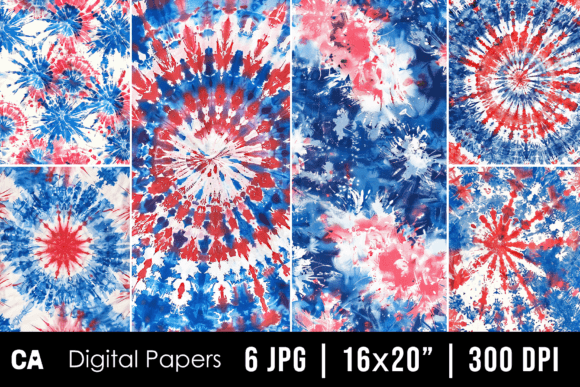
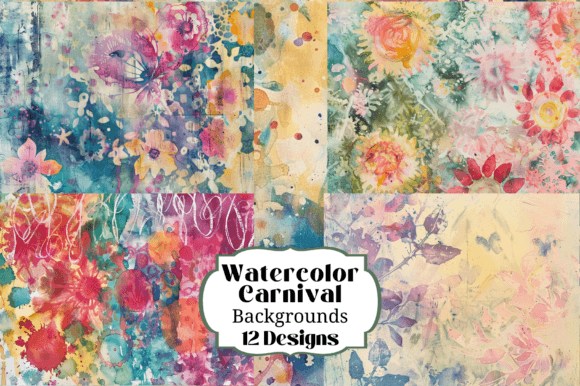
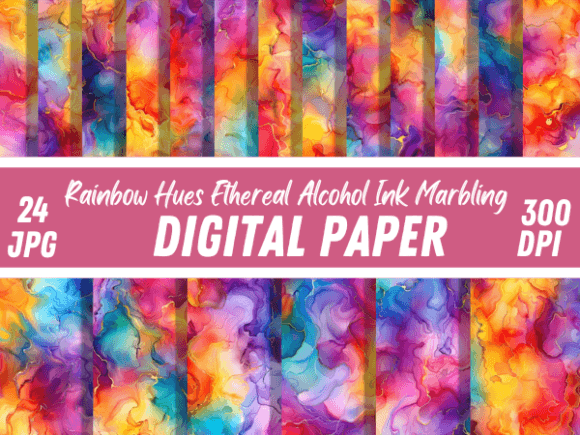
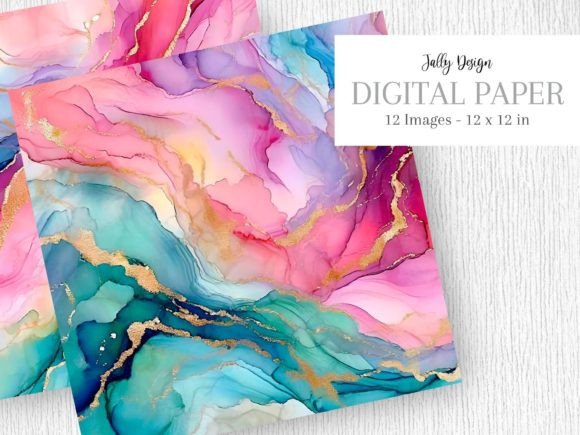
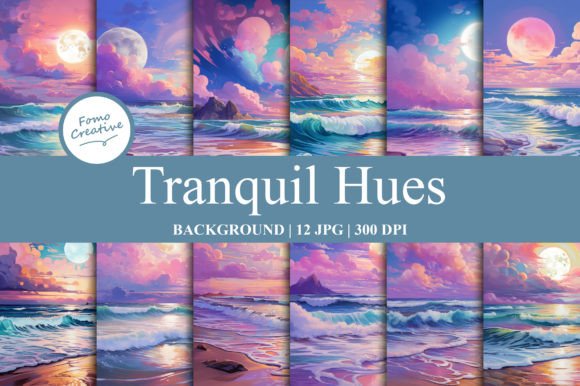
In the fast-paced world of digital design, finding assets that truly elevate a project without overwhelming it is a constant challenge. Tranquil Hues Backgrounds represent a specific solution to this problem. This collection of digital paper backgrounds is designed not as a loud statement, but as a refined foundation. Think of it as the digital equivalent of high-quality, textured cardstock or subtle, atmospheric canvas. The visual personality is rooted in calm sophistication—soft gradients, gentle watercolor washes, muted abstract patterns, and delicate organic textures. These are not busy, competing designs. Instead, they offer a serene, consistent backdrop that allows foreground elements—typography, logos, and imagery—to command attention with clarity.
The Versatility of a Well-Crafted Backdrop
The true value of a resource like Tranquil Hues Backgrounds lies in its cross-disciplinary utility. For a graphic designer building a brand identity, these backgrounds provide a consistent, professional texture for mood boards, presentation slides, or social media templates. A small business owner can use them to create cohesive marketing materials—from website hero banners to printable flyers—ensuring every touchpoint feels polished and intentionally designed. The appeal is particularly strong for projects where brand perception leans towards the elegant, the minimalist, or the artisanal. A yoga studio's Instagram story, a wedding photographer's client gallery, a boutique's product packaging, or an author's book cover concept all benefit from this kind of subtle, evocative backdrop.
From a practical standpoint, the collection includes 12 high-resolution JPG files at 300 DPI. This is a critical detail for anyone working in both digital and print realms. The high resolution ensures crispness on screens and is essential for quality printing, whether for invitations, posters, or physical marketing collateral. The instant download format means these are immediate design assets, ready to be incorporated into a workflow. It's important to note, as with any digital product, that colors may appear slightly different across various monitors and printers. This is a standard consideration in modern typography and design work; professionals always conduct test prints or calibrate screens for critical color matching.
Integrating Tranquil Hues into Your Creative Process
Choosing the right background is a strategic decision that influences readability, visual hierarchy, and overall engagement. Tranquil Hues excel in scenarios where you need to create a specific mood without sacrificing functionality. For instance, using one of the softer, textured backgrounds behind a sans serif font for a website's "About Us" page can add depth and warmth while maintaining excellent readability. Conversely, pairing a more abstract, gradient-style background with a refined serif font for an editorial design or a luxury brand's lookbook can evoke a sense of timeless elegance.
When evaluating fit for a project, consider the emotional tone you aim to set. These backgrounds are ideal for conveying peace, trust, professionalism, and care. They work exceptionally well for:
- Digital Design: Website backgrounds, social media graphics (especially for platforms like Pinterest and Instagram), email newsletter headers, and digital ads.
- Print & Packaging: Greeting cards, wedding invitations, stationery, book covers, and product labels where a tactile, artisanal feel is desired.
- Brand Collateral: Business cards, letterheads, presentation decks, and thank-you notes that require a consistent, branded texture.
- Creative Projects: Digital scrapbooking, planner inserts, printable wall art, and DIY craft templates.
A key piece of practical guidance is to always test your chosen foreground elements against the background. Place your logo, headline text, and body copy on top of the background file in your design software. Check for sufficient contrast to ensure legibility. The best results often come from using the background as a full-bleed image or as a subtle texture overlay at a reduced opacity, allowing it to enhance rather than dominate the composition. Remember, the goal is to use these backgrounds to support your brand identity and message, not to compete with it. Their strength is in their ability to provide a cohesive, professional, and visually appealing foundation for countless creative applications, making them a versatile addition to any designer's or entrepreneur's toolkit.