Elevate Your Covers: Books with Flowers Backgrounds
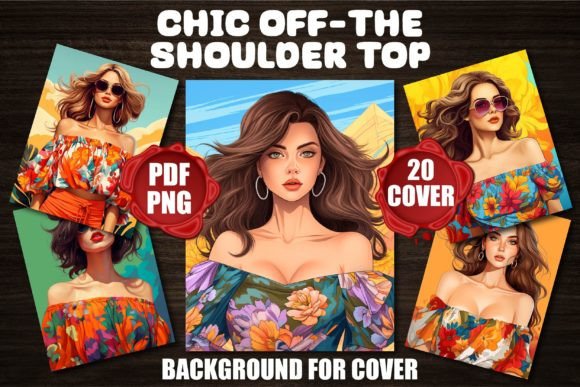
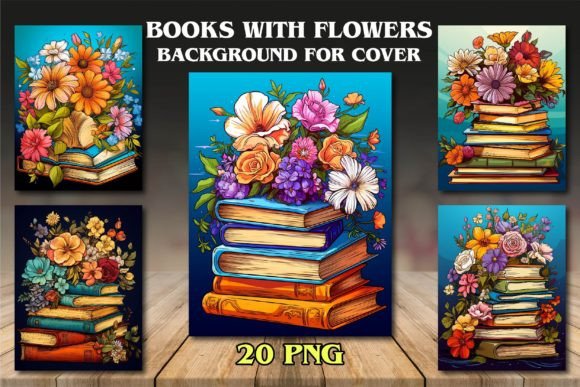
There is a specific kind of magic that happens when the tactile world of paper meets the delicate beauty of nature. We see this in vintage botanical illustrations and the dog-eared pages of beloved classics. The "Books with Flowers Background" collection captures this exact sentiment, offering a set of 20 high-resolution design assets that blend the intellectual weight of literature with the soft, organic elegance of floral arrangements. If you are working on projects that require a touch of sophistication, whether for Amazon Kindle Direct Publishing (KDP) or high-end branding, understanding how to leverage these backgrounds is key to creating a lasting impression.
The Visual Character: Where Literature Meets Botanical Art
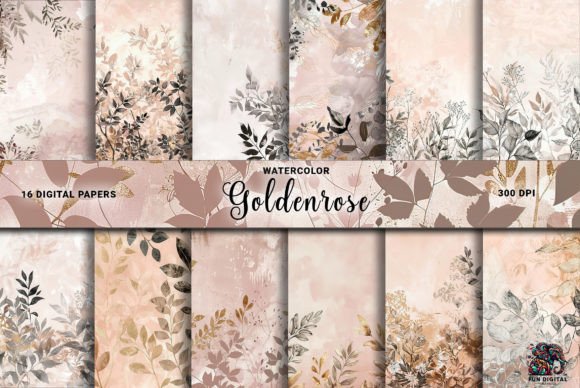
Unlike a standard sans serif font or a cold geometric pattern, these backgrounds possess a distinct personality. They are not merely images of books; they are compositions that suggest stories, knowledge, and the passage of time. The visual style relies on contrast—the hard, structured spines of books juxtaposed against the organic, flowing curves of petals and leaves. This creates a visual hierarchy that is naturally pleasing to the eye. The color palettes often lean towards earthy tones, muted pastels, or rich, deep hues, making them versatile for various brand identity requirements.
The appeal lies in the texture. In an era of flat, digital minimalism, these backgrounds offer depth. They signal to the viewer that the content within is worth slowing down for. For adult coloring books, this is particularly vital. The intricate details of the floral elements surrounding the books provide the complexity needed for stress relief and mindfulness, transforming a simple cover into a gateway for art therapy and creative expression.
Strategic Applications: From KDP to Brand Strategy
The versatility of the "Books with Flowers Background" collection extends far beyond simple book covers. As a designer or entrepreneur, you can apply these assets to a wide range of projects to elevate the perceived value of your product.
- Publishing and KDP: Obviously, these are ideal for editorial design. Use them for romance novels, poetry collections, historical fiction, or journals. The 300 DPI resolution ensures that the image remains crisp and professional, a critical factor for commercial fonts and cover art on platforms like Amazon.
- Branding and Packaging: If you run a boutique business—perhaps a florist, a tea shop, or a stationery brand—incorporating these backgrounds into your packaging design can instantly communicate elegance. They work beautifully behind a script font or a handwritten font to create a warm, inviting logo design or business card.
- Digital Marketing and Social Media: In the fast-paced world of social media graphics, stopping the scroll is essential. These backgrounds serve as excellent backdrops for quote cards, promotional banners, or Instagram stories. They provide a textured canvas that makes overlay text—whether a bold display font or a clean serif font—pop with clarity.
- Interior Decor and Merchandise: Don't limit these files to digital use. Because they are digital prints at high resolution, they are perfect for creating wall art, greeting cards, or planner stickers for the crafting community.
Design Mechanics: Pairing Typography and Managing Hierarchy
Using a busy, detailed background requires a thoughtful approach to typography. You cannot simply throw text on top of a floral arrangement and hope for the best. The goal is readability and consistency.
When selecting a typeface to pair with these backgrounds, consider the mood. A modern typography style using a geometric sans serif can create a striking contrast between the vintage floral elements and contemporary design. Conversely, a classic serif font reinforces the literary theme. However, avoid overly ornate script fonts for body text, as they will get lost in the botanical details.
Here is a practical approach to testing your font pairing:
- Contrast is King: If the background is dark, use white or cream text. If the background is light and busy, use a bold, dark typeface.
- Create Breathing Room: Use a semi-transparent overlay, a text box, or a "knockout" effect to separate your text from the image. This ensures your brand perception remains professional rather than chaotic.
- Hierarchy Check: Ensure your headline (using your creative font) is distinct from your sub-headline. The flowers should frame the text, not compete with it.
Finally, always consider the licensing. These assets are designed for commercial use, allowing you to sell the final products you create, whether they are coloring pages or branded merchandise. By treating these backgrounds as integral components of your design system rather than just decoration, you can build a cohesive, sophisticated aesthetic that resonates with an audience looking for mindfulness