Dive Into Depth: Mastering Ocean Grunge Texture Backgrounds
If you’ve spent any time staring at a flat, lifeless digital canvas, you know the struggle. You have the perfect layout, the typography is sharp, and the color palette is on point, but the whole composition feels sterile. It lacks that tactile quality—that sense of history and atmosphere that makes a viewer stop scrolling. This is where Ocean Grunge Texture Backgrounds step in to save the day. We aren't just talking about simple filters here; we are talking about a curated collection of design assets that bring the raw, weathered beauty of the coast directly into your workflow.
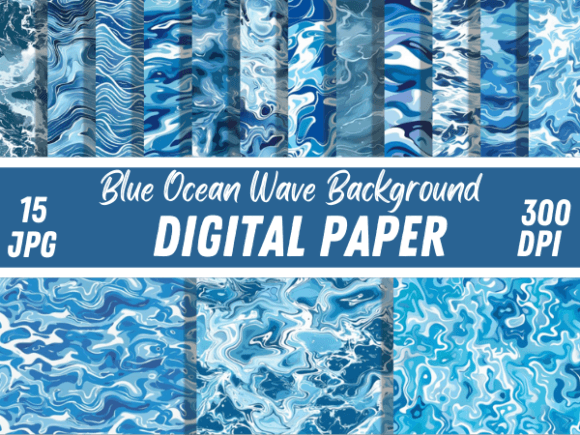
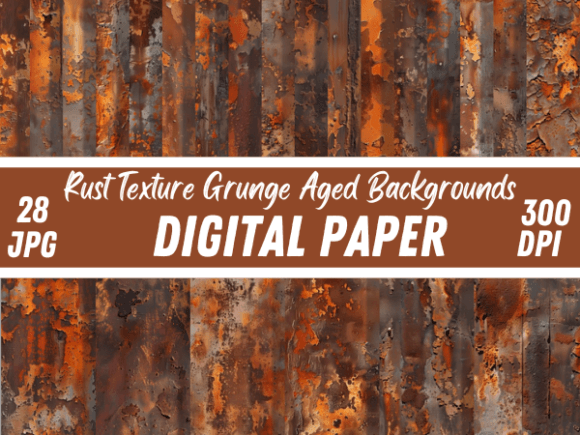
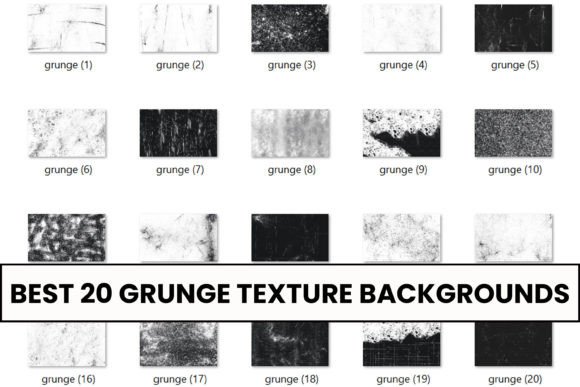
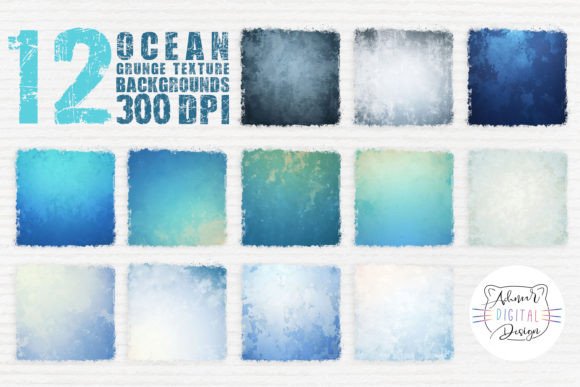
Welcome to a resource specifically tailored for the creative who craves that vintage charm without sacrificing professional quality. This collection includes a zipped file containing 12 distinct files, all presented as high-resolution JPEGs at 300 DPI. Whether you are a graphic designer, photographer, digital artist, or web designer, these textures are built to handle the heavy lifting of adding depth and character to your projects.
The Visual Personality of Weathered Coastal Aesthetics
To understand how to use these assets effectively, we first need to look at what defines the "ocean grunge" style. Unlike a standard concrete or paper texture, these backgrounds carry a specific personality. They evoke the feeling of saltwater spray on driftwood, the intricate patterns of dried seaweed, and the beautiful decay of surfaces battered by the tide. Visually, they are characterized by a blend of organic roughness and fluid movement.
The appeal lies in the imperfections. In modern typography and design, we often chase pixel-perfect vector lines. However, introducing a grunge texture disrupts that perfection in a way that feels organic and human. These backgrounds offer a muted, often desaturated color palette that mimics the natural aging process, making them incredibly versatile. They don't scream for attention; rather, they whisper, providing a sophisticated backdrop that allows your foreground elements—whether that is a serif font for a vintage logo or a sans serif font for a modern headline—to truly pop.
Real-World Applications: Where Texture Meets Strategy
Knowing what these textures look like is one thing; knowing where to apply them is where the strategy comes in. As a creative professional, you need to think about context. These aren't just pretty pictures; they are functional design assets that solve specific visual problems.
Branding and Identity: If you are working on a brand identity for a craft brewery, a surf shop, a coffee roaster, or an artisanal goods store, these textures are gold. They instantly communicate authenticity and a handcrafted ethos. Using an Ocean Grunge Texture Background as the substrate for a logo design mockup can help sell the concept of "heritage" to a client. It grounds the design in reality, suggesting that the brand has roots and substance.
Editorial and Publishing: In editorial design, texture helps establish mood. Imagine a magazine spread about coastal travel or a book cover for a mystery novel set by the sea. These backgrounds provide the atmospheric tension required. They work exceptionally well behind pull quotes or chapter headings, adding a layer of visual interest that keeps the reader engaged without overwhelming the text.
Digital and Web Design: For web design, texture needs to be used carefully to avoid slow load times, but a subtle grunge overlay can break up monotonous white space. It’s perfect for hero sections, footer backgrounds, or "About Me" pages where you want to convey personality. For social media graphics, where the competition for attention is fierce, a textured background can make a static image feel more dynamic and stop the scroll.
Practical Guidance for Implementation
Simply dropping a texture onto your canvas and setting it to 100% opacity is rarely the answer. To get that professional finish, you need to treat these backgrounds as a layer in your composition, not the entire composition itself.
- Evaluating Project Fit: Before you choose a texture, look at your content. If you are designing a minimalist medical brochure, heavy grunge might feel out of place. However, if you are creating a poster for a music festival or packaging design for organic skincare, the rough, natural aesthetic of ocean grunge creates immediate emotional resonance.
- The Art of Blending: Don't be afraid to experiment with blending modes in your editing software. "Multiply," "Screen," and "Overlay" can yield vastly different results depending on the color of the texture and the background color of your text. Often, desaturating the texture slightly or lowering the opacity to 30-50% allows the texture to act as a subtle seasoning rather than the main ingredient.
- Contrast and Readability: This is crucial. Grunge textures are "busy" by nature. If you place a complex script font or a handwritten font over a high-contrast grunge area, you risk losing legibility. The best practice is to pair these textured backgrounds with bold, clean typography. A heavy, geometric sans serif font usually holds up best against the noise of a texture, ensuring your message is read clearly.
Elevating Your Creative Workflow
One of the biggest time-sinks in design is hunting for the right asset. Having a go-to library of high-quality textures streamlines your process. Because these 12 files are provided at 300 DPI, you have the flexibility to use them across both digital and print mediums. You can use the same texture for a website header and then scale it up for a printed banner or poster without losing quality.
Furthermore, these textures are excellent for creating depth in photo editing. If you are a photographer, you can use these as overlays to give a modern digital photo a vintage, film-like quality. By blending an Ocean Grunge Texture Background over a portrait or a landscape, you can unify the color palette and add a "grain" that feels more organic than standard digital noise.
For digital artists and illustrators, these backgrounds serve as a fantastic starting point for compositions. Instead of painting a background from scratch—which can take hours—you can use one of these textures as a base and paint over it. This technique anchors your digital brushstrokes to a real-world surface, giving your artwork a mixed-media feel that is very popular in contemporary illustration.
Final Thoughts on Texture and Perception
Ultimately, the decision to use texture in your work is a decision about how you want your audience to feel. Smooth, clean gradients suggest technology, efficiency, and the future. Grunge textures suggest nature, history, and tactility. By incorporating Ocean Grunge Texture Backgrounds into your toolkit, you are equipping yourself to tell richer visual stories.
Whether you are customizing a website, designing a wedding invitation, or creating a bold poster, remember that the details make the design. A premium texture isn't just decoration; it is a bridge between your digital creation and the physical world. So, unzip those files, drag them into your workspace, and start experimenting. You might be surprised at how much a little bit of "dirt" can polish your final look.